Living by Numbers: A Designer's Review for Personalized Gifts
As an embroidery designer who spends more time at the machine than away from it, I am always on the hunt for fonts that strike the perfect balance between readability and charm. When I first loaded the Living by Numbers embroidery file onto my workstation, I knew I had found something special for my upcoming Back To School collection and beyond. This review is written from the perspective of a professional testing this design for real-world application in a personalized gift shop, ensuring every stitch meets the high standards our customers expect.
First Impressions: Charm Meets Precision
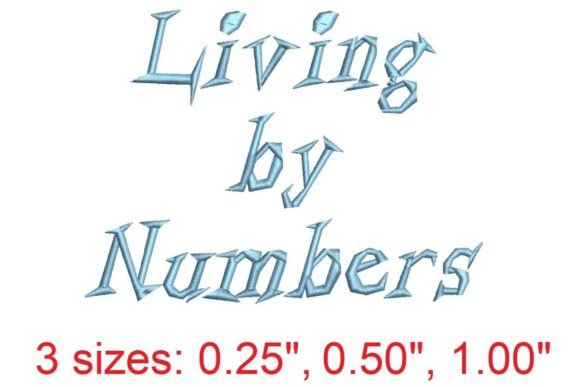
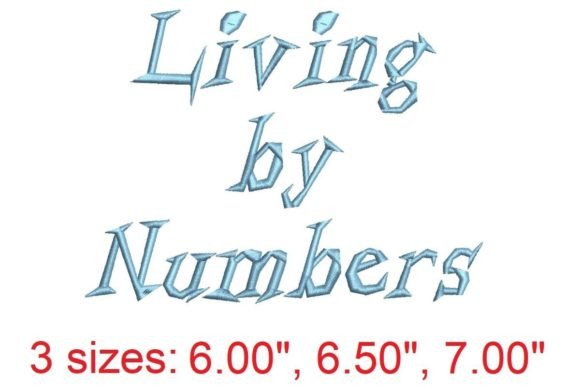
The moment I previewed Living by Numbers on my screen, the mood was immediately apparent. It feels sweet yet sophisticated, possessing a playful energy that doesn't sacrifice elegance. For a handmade product to stand out in a crowded market, the font needs personality, and this design delivers. The letterforms have a distinct character that suggests warmth, making it an ideal choice for items meant to evoke emotional connections. Whether you are creating a wedding gift or a cozy nursery item, the aesthetic leans towards the classic with a modern twist. It avoids being overly juvenile, which allows it to transition seamlessly from baby gifts to home decor.
In terms of detail level, the design appears meticulously crafted. The curves are smooth, and the transitions between strokes look natural, promising a finished look that feels high-end rather than mass-produced. For an Etsy seller or small shop owner, this perceived value is crucial. Customers are willing to pay a premium for custom embroidery that looks like it was drawn by hand, and Living by Numbers achieves that organic feel while maintaining the consistency of a digital file.
Real-World Applications for Your Shop
Imagine a customer walking into your shop—or visiting your online store—looking for a meaningful keepsake. They want something that says "I care" without shouting. Here is how Living by Numbers performs across various popular products:
- Baby Embroidery: This font shines on baby blankets and onesies. Its gentle curves complement soft fabrics, making it perfect for naming a newborn or adding a birth date. It feels tender and protective, exactly what new parents want.
- Kitchen and Home Textiles: Picture an embroidered towel or a custom apron. The clarity of the letters ensures that even when used frequently, the text remains legible. It adds a touch of whimsy to a functional small shop product.
- Nursery Decor: On a pillow cover or wall hanging, this design becomes a focal point. It works beautifully in monochromatic schemes or with vibrant thread colors that pop against neutral backgrounds.
- Tote Bags and Apparel: For the Back To School season, this font is excellent for personalizing tote bags or lunch sacks. It is readable from a distance but detailed enough to appreciate up close.
- Wedding Keepsakes: While often associated with playfulness, the elegant undertones allow it to work for wedding dates or initials on ring bearer pillows and guest book alternatives.
The versatility of Living by Numbers means you can expand your inventory without needing entirely new designs for every niche. It bridges the gap between seasonal trends and timeless appeal.
Technical Considerations and Fabric Challenges
While the design is beautiful, practical application requires caution. As a professional, I always test before committing to a customer order. Here are specific areas where Living by Numbers demands attention:
Fabric Texture and Thickness: Delicate details can get lost on highly textured fabrics like waffle weave towels or thick terry cloth. The stitch density seems moderate, which is generally good, but on looped fabrics, small serifs or tight curves might sink in. I recommend running a test on scrap fabric identical to your final product. If the fabric is too rough, consider increasing the pull compensation or choosing a simpler variation if available.
Stretchy Materials: Baby clothes and knitwear stretch. When embroidering on stretchy fabrics, the stability of the font is key. You must use a proper stabilizer—likely a cut-away for long-term durability on garments that will be washed frequently. Without adequate support, the letters in Living by Numbers could distort over time, ruining the finished product.
Small Lettering and Curved Surfaces: If you are downsizing the design for a small pocket or a curved surface like a cap, check the legibility of the smaller characters. Some intricate parts may merge if stitched too small. Always verify the minimum hoop size requirements and ensure your machine can handle the resolution at reduced scales.
Dark Fabrics: Contrast is everything. On dark fabric, ensure your thread colors are bright enough to make the design pop. A mockup comparison between light and dark fabric is essential before listing items for sale. Sometimes a satin stitch underlay or a slight outline can help define the edges on darker materials.
Enhancing Giftability and Customer Trust
The true power of Living by Numbers lies in its ability to elevate the perceived value of your goods. In the world of commercial embroidery, trust is built on consistency. When a customer receives a personalized gift with crisp, charming lettering, they associate that quality with your brand. This font encourages buyer engagement because it invites customization; people love seeing their own names or significant dates rendered in such a lovely style.
For product photography, this design photographs exceptionally well. The clean lines and balanced spacing create visually appealing images for your Etsy listings or social media previews. A well-stitched sample using Living by Numbers can serve as a powerful printable mockup or digital proof to show clients before production begins, reducing hesitation and increasing conversion rates.
Practical Notes for the Professional Maker
Before you start stitching for profit, keep these actionable steps in mind to ensure success with this machine embroidery design:
- Test on Scrap Fabric: Never skip this step. Use the exact fabric and stabilizer combination you plan to sell.
- Check Thread Contrast: Ensure your thread choices provide sufficient contrast against the base material for maximum readability.
- Confirm Hoop Size: Verify that your hoop can accommodate the design dimensions, especially for larger applications like blanket embroidery.
- Review Stitch Density: Analyze the density settings. If the fabric is delicate, you may need to adjust the density to prevent puckering.
- Use Proper Stabilizer: Match the stabilizer to the fabric weight and the item's intended use (washable vs. decorative).
- Inspect Small Details: After stitching, examine the small details under good lighting to ensure no jumps or loose threads compromise the look.
- Verify Licensing: The product description notes compatibility with the PES file format and suitability for Brother machines, but always confirm commercial licensing terms before selling finished products created with this digital embroidery file.
Since the provided details mention compatibility with the industry's most popular PES file format and suitability for Brother machines, but do not specify exact stitch counts or license limitations, it is vital to check the accompanying documentation or contact the vendor for those specifics. Assuming compatibility without verification can lead to issues with different machine brands or unintended licensing violations.
In conclusion, Living by Numbers is a standout addition to any embroidery designer's library. Its blend of playfulness and elegance makes it a versatile tool for creating memorable personalized gifts. By paying attention to fabric choices, stabilization, and technical details, you can leverage this font to build a loyal customer base and create heirlooms that last. Whether for a wedding gift, a baby shower present, or a Back To School essential, this design has the potential to become a bestseller in your shop.