Reviewing the Baltazar Embroidery Font for Gifts
As an embroidery designer who has spent countless hours digitizing and testing fonts, I approach every new machine embroidery design with a mix of excitement and skepticism. We all know that a font can make or break a personalized item. It is not just about legibility; it is about emotion. When I first loaded the Baltazar Embroidery Font into my software, I was looking for that elusive balance between timeless elegance and modern versatility. The product description promises to unlock creativity in every stitch, and after putting it through its paces on various fabrics, I am ready to share my honest assessment for fellow makers, Etsy sellers, and small business owners.
First Impressions: Mood and Aesthetic Appeal
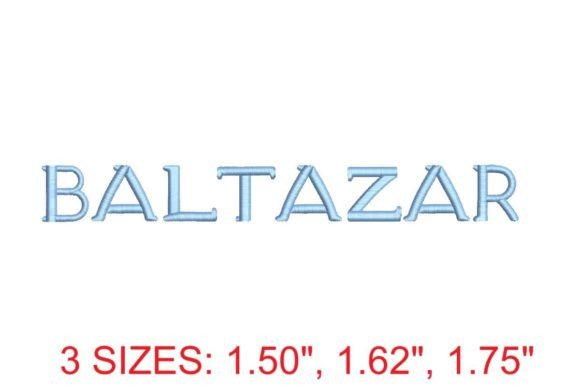
The immediate impression of the Baltazar Embroidery Font is one of refined charm. It does not scream for attention with overly complex swirls or aggressive serifs. Instead, it offers a quiet confidence. The lines are clean, suggesting a classic style that feels both handmade and professional. For a designer, this is crucial. You want a typeface that enhances the base product rather than overpowering it.
I found the mood to be incredibly versatile. It leans towards the elegant side, making it suitable for romantic wedding gifts, yet it retains enough warmth to feel appropriate for baby embroidery. It is not overly playful, which means it avoids looking childish, but it is not so stiff that it feels corporate. This duality is rare. Whether you are aiming for a sweet nursery vibe or a sophisticated kitchen aesthetic, this font adapts. The detail level is moderate, avoiding the tiny, fragile stitches that often cause thread breaks, which is a significant plus for production efficiency.
Real-World Applications for Personalized Gifts
To truly test the viability of this embroidery file, I imagined several customer scenarios. Let us start with the Back To School season, a busy time for many of us. Imagine a parent wanting a custom tote bag for their child’s library books or a personalized apron for cooking classes. The Baltazar Embroidery Font works beautifully here. Its clarity ensures that names are easily readable, even from a distance. The elegance elevates a simple canvas tote into a cherished accessory, increasing the perceived value of your small shop product.
Moving beyond school supplies, consider the home decor market. An embroidered towel is a staple gift for housewarmings and weddings. I tested the font on a waffle-weave tea towel. The result was stunning. The font’s structure held up well against the textured fabric, creating a lovely contrast between the smooth threads and the rougher weave. For a wedding gift, such as a pillow cover or a blanket embroidery project, the font exudes a sense of permanence and tradition. It feels like something that will be kept for generations, which is exactly what customers are paying for when they order a personalized gift.
For baby products, caution is always key, but Baltazar Embroidery Font performs admirably. On a soft muslin swaddle or a burp cloth, the design looks gentle and inviting. It does not have sharp, jagged edges that might irritate sensitive skin, provided you use the right stabilizer and trim your jumps properly. This makes it a strong contender for nursery decor items like wall hangings or name banners.
Technical Considerations and Fabric Compatibility
While the aesthetic is strong, we must discuss the technical realities of stitching out this design. No font is universal, and understanding where to use Baltazar Embroidery Font carefully is part of being a professional.
- Fabric Texture: On highly textured fabrics like thick terry cloth towels, ensure your stitch density is sufficient to cover the pile. If the fabric is too plush, the finer details of the letters might get lost. Always test on scrap fabric first.
- Stretchy Materials: When working with stretchy baby clothes or knit fabrics, the stability of the font is vital. Use a high-quality cut-away stabilizer to prevent the letters from distorting after washing. The font’s structure helps, but the foundation is key.
- Small Lettering: If you plan to use this for monograms or small tags, check the legibility. Some intricate connections between letters may merge if stitched too small. I recommend keeping the height above one inch for optimal clarity, especially on items like pillow covers where viewers might be at a distance.
- Dark Fabrics: Contrast is your friend. On dark navy or black fabrics, choose light thread colors to make the elegance of the font pop. Without proper contrast, even the most beautiful custom embroidery can look muddy.
Additionally, consider the hoop size. While I cannot specify the exact dimensions without seeing the specific file variants, always confirm that your chosen hoop accommodates the full width of the longest name you intend to stitch. Curved surfaces, such as the cuff of a sleeve or the corner of a blanket, require careful hooping to ensure the font does not skew.
Enhancing Perceived Value and Customer Trust
Why does the choice of font matter for your bottom line? Because it directly impacts the handmade product's perceived quality. A sloppy or ill-chosen font can make a $50 blanket look like a $10 craft fair leftover. Conversely, a well-executed design like Baltazar Embroidery Font signals professionalism. It builds customer trust. When a buyer sees clean, elegant lettering, they associate it with care and attention to detail.
This emotional connection drives buyer engagement. In your Etsy listings or social media posts, use high-quality photos that highlight the texture of the stitches. A printable mockup can help customers visualize the final result, but nothing beats a photo of the actual finished product. Show the font on a cozy blanket draped over a chair or a crisp towel hanging in a sunlit kitchen. These lifestyle shots help the customer imagine the item in their own home, increasing the likelihood of a sale.
Practical Steps for Embroidery Makers
Before you launch this design in your shop, follow these practical steps to ensure success:
- Test on Scrap Fabric: Never skip this step. Stitch the font on the same material you plan to sell. Check for puckering, thread breaks, or registration issues.
- Check Thread Color Contrast: Experiment with different thread combinations. Metallic threads can add a luxurious touch for wedding gifts, while matte cotton threads offer a rustic, handmade feel for Back To School items.
- Review Stitch Density: If the design feels too heavy for lightweight fabrics, you may need to adjust your tension or use a lighter weight stabilizer. Conversely, for heavy denim or canvas, ensure the needle is strong enough to penetrate without breaking.
- Confirm Commercial Licensing: As a digital embroidery file user, always verify the license terms. Ensure you have the right to use Baltazar Embroidery Font for commercial embroidery sales. Most designers allow finished product sales, but restrictions on sharing the file itself are standard.
- Inspect Small Details: After stitching, examine the entry and exit points. Trim any loose jumps meticulously. A clean finish is what separates amateur work from professional custom embroidery.
In conclusion, the Baltazar Embroidery Font is a valuable addition to any designer’s library. Its blend of elegance and versatility makes it suitable for a wide range of applications, from delicate baby items to robust kitchen textiles. By respecting the technical limitations and focusing on high-quality execution, you can create personalized gifts that resonate emotionally with your customers. Whether you are an experienced Etsy seller or just starting your journey in Embroidery, this font offers the reliability and beauty needed to elevate your brand.