Safari Embroidery Font: A Designer’s Review
As an embroidery designer who spends countless hours digitizing and testing files, I am always on the lookout for typefaces that offer more than just legibility. We need fonts that carry a mood, a texture, and a distinct personality. Recently, I explored the Safari Embroidery Font available on Creative Fabrica, specifically looking at its potential for upcoming seasonal collections. With the Back To School rush approaching and a growing demand for outdoor-themed apparel, this font caught my eye. It promises to add a touch of wild adventure to creations, making it ideal for wildlife-themed designs and outdoor enthusiasts. Here is my honest assessment of how this digital embroidery file performs in real-world applications.
First Impressions and Visual Mood
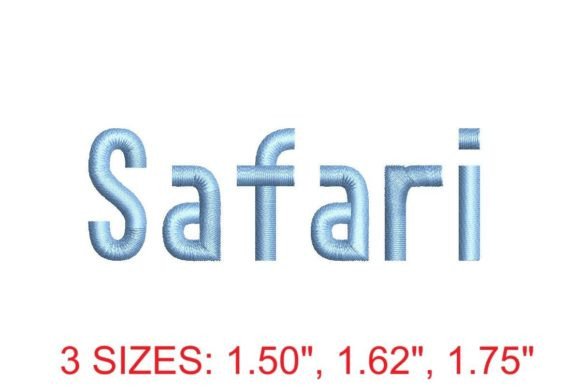
The first thing you notice about the Safari Embroidery Font is its rugged yet playful aesthetic. It does not try to be overly refined or delicate. Instead, it embraces a bold, adventurous spirit that feels right at home on casual wear and durable goods. The letterforms have a certain weight to them, suggesting that they are designed to stand out rather than blend into the background. For designers, this means the font has strong visual presence, which is crucial when creating products that need to grab attention in a crowded Etsy marketplace or at a local craft fair.
The "wild" aspect mentioned in the product description translates well into the stitch structure. It feels organic, avoiding the rigid, mechanical look that some standard embroidery fonts suffer from. This makes it a versatile choice for anyone looking to create a handmade product that feels authentic and connected to nature. Whether you are designing for a nursery with a jungle theme or creating gear for hiking enthusiasts, the visual mood aligns perfectly with these niches.
Performance on Real Projects
I evaluated how this font would perform across various common embroidery substrates. The versatility of the Safari Embroidery Font is one of its strongest assets. Here is how it holds up on different items:
- Custom Apparel and Sweatshirts: On heavier fabrics like cotton blends used for sweatshirt embroidery, the font’s bold nature shines. It provides excellent coverage without getting lost in the fabric texture. The letters are substantial enough to look professional on the chest or back of a hoodie.
- Tote Bag Design: Canvas tote bags are a staple for back-to-school supplies and grocery runs. This font works beautifully here because it can withstand the rougher texture of canvas. The stitch density appears sufficient to prevent the fabric from showing through too much, ensuring a high-quality finished product.
- Caps and Curved Surfaces: Embroidering on caps is always a challenge due to the curved surface and limited hoop space. While the font is bold, I would recommend checking the specific character widths. For smaller caps, using initials or short words is advisable to avoid distortion. The design seems robust enough to handle the pull of the cap fabric if proper stabilizer is used.
- Baby Items and Nursery Decor: For baby blankets or pillow covers, the playful vibe is a great fit. However, care must be taken with stitch density to ensure the item remains soft against sensitive skin. Using a softer thread and ensuring the backing is trimmed neatly is essential for these delicate applications.
Technical Considerations for Stitching
While the aesthetic appeal is strong, any experienced embroiderer knows that the technical execution is what determines customer satisfaction. When working with the Safari Embroidery Font, there are several practical factors to consider before hitting the start button on your machine.
Stitch Density and Fabric Choice: The font appears to have a moderate to heavy stitch density, which is typical for bold display fonts. This is advantageous for dark fabrics where you need solid coverage. However, on stretchy fabrics like jersey knits, you must use a cut-away stabilizer to prevent puckering. The weight of the stitches can pull lightweight fabrics if not properly supported. Always test on scrap fabric first to gauge how the material reacts to the stitch count.
Thread Color Contrast: Because the font has a distinct personality, thread choice plays a huge role in the final look. Earth tones like olive green, burnt orange, and deep browns complement the safari theme perfectly. For a modern twist, high-contrast colors like neon yellow on black can make the design pop for athletic wear. Always review your thread colors against both light and dark fabric mockups to ensure readability.
Hoop Size and Lettering Scale: One limitation to keep in mind is the minimum readable size. Due to the detailed nature of the font, shrinking it too small for tiny lettering can result in lost details and thread breaks. I recommend adhering to the suggested hoop size limits provided in the file details. If you are creating an embroidered patch, ensure the patch backing is sturdy enough to support the dense stitching of the larger characters.
Enhancing Product Value and Brand Consistency
From a business perspective, the right font can elevate your brand. Using the Safari Embroidery Font consistently across your product line can help establish a recognizable style. For sellers focusing on outdoor gear, wildlife conservation themes, or adventurous children’s clothing, this font reinforces the brand message. It adds a layer of professionalism and thematic consistency that buyers appreciate.
Furthermore, the visual appeal of this font enhances product photography. Bold, textured embroidery photographs well, allowing potential customers to see the quality of the stitch work in online listings. This can lead to higher engagement and increased trust in your handmade shop. When customers see a well-executed, thematic design, they perceive higher value in the personalized gift or custom apparel item.
Practical Tips for Commercial Use
If you plan to use this machine embroidery design for commercial embroidery projects, there are a few final steps to ensure success. First, always confirm the license terms on the Creative Fabrica product page. Understanding whether you can sell finished physical items is crucial for legal compliance. Second, inspect the file details. Check if the package includes multiple formats compatible with your specific machine, such as PES, DST, or JEF.
Before fulfilling a large order, run a complete test stitch-out. Check for any jump stitches that need trimming and ensure the satin stitch edges are clean. Pay attention to the connections between letters if it is a connected script, or the spacing if it is a block font. Proper hooping and stabilizer selection cannot be overstated; they are the foundation of a crisp, professional-looking design.
In conclusion, the Safari Embroidery Font is a strong contender for designers looking to add a rugged, adventurous flair to their collections. It performs well on a variety of substrates, from tote bags to sweatshirts, provided that technical best practices are followed. By paying attention to stitch density, fabric choice, and proper stabilization, you can create stunning, high-value products that resonate with outdoor enthusiasts and back-to-school shoppers alike. It is a reliable addition to your library of design assets, offering both aesthetic charm and commercial viability.