Bleeker Embroidery Font Review for Business Merch
As an embroidery designer who has spent years digitizing logos and creating custom assets for small businesses, I approach every new machine embroidery design with a critical eye. It is not just about whether a font looks pretty on a screen; it is about how it performs under the needle, how it wears after fifty washes, and how it elevates a brand's identity. Recently, I had the opportunity to review the Bleeker Embroidery Font, specifically evaluating its potential for branded merchandise, patches, and professional apparel. With the "Back To School" season often driving demand for custom gear, finding a versatile typeface that balances clarity with character is essential for any shop owner or Etsy seller.
First Impressions: Professional Clarity Meets Versatility
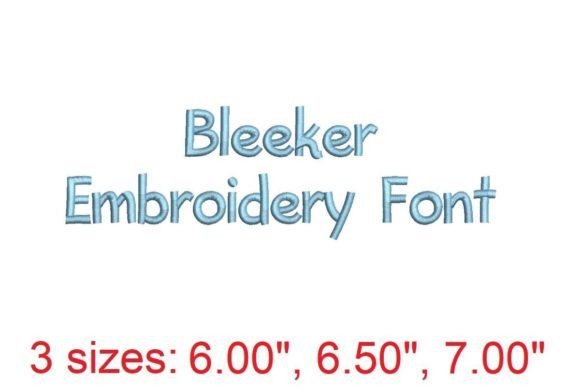
Upon loading the digital embroidery file, the first thing that strikes me about Bleeker is its exceptional clarity. The description claims it is "crafted with precision," and visually, this holds true. The letterforms possess a clean, modern structure that avoids unnecessary flourishes, making it an ideal candidate for business applications where legibility is paramount. Unlike some decorative fonts that sacrifice readability for style, Bleeker feels grounded and professional. It strikes a balance between a friendly, approachable aesthetic and a bold, authoritative presence. This makes it suitable for a wide range of industries, from a rustic bakery wanting a handmade feel to a tech startup needing a crisp logo accent.
The detail work in the digitization appears robust. In the world of commercial embroidery, poor digitizing can lead to thread breaks and puckering, but Bleeker seems to have been optimized for smooth stitching. The transitions between letters are logical, suggesting that the stitch paths were carefully planned to minimize jumps and trims, which is crucial when producing bulk orders for staff uniforms or event merch.
Real-World Application for Small Business Merch
The true test of any embroidery file is its application in real-world scenarios. I envision the Bleeker Embroidery Font working exceptionally well across several key product categories for small business owners:
- Embroidered Patches: Because of its clear definition, Bleeker is perfect for woven or embroidered patches. Whether applied to a backpack, a denim jacket, or a tote bag, the font maintains its shape even at moderate sizes.
- Staff Uniforms and Aprons: For cafes and boutiques, consistency is key. Using Bleeker for apron embroidery or chest logos on work shirts creates a cohesive look that signals professionalism to customers.
- Cap Embroidery: The structured nature of the font works well on the curved surface of a cap front, provided the sizing is adjusted correctly to prevent distortion.
- Tote Bag Design: As eco-friendly packaging becomes standard, a simple tote bag featuring the Bleeker font serves as a walking advertisement for the brand.
- Product Labels: For handmade product creators, sewing a small tag with this font onto goods adds a premium touch that justifies a higher price point.
When considering the "Back To School" category, this font could easily be adapted for personalized school bags, team jackets, or club merchandise, offering a look that is neither too childish nor too corporate.
Critical Considerations for Production
While Bleeker shows great promise, there are specific areas where a designer must exercise caution. No font is universal, and understanding its limitations is part of the job.
- Small Patch Sizes: While the clarity is high, extremely small text can lose definition if the stitch density is too high for the fabric. If you are planning micro-patches, you must verify the minimum readable size.
- Curved Surfaces: On items like caps or rounded sleeves, the geometry of the letters can distort. It is vital to pull up the design in your editing software and apply appropriate push/pull compensation before stitching.
- Fabric Texture: This font shines on smooth twills and poplins. However, on highly textured fabrics like thick fleece or looped towels, the fine details might get lost. Always test on the actual material intended for the finished product.
- Thread Color Contrast: Because the design relies on clarity, low contrast between the thread and the garment can make the text unreadable. Stick to high-contrast combinations for maximum impact, especially on dark uniforms.
Elevating Brand Identity and Customer Trust
In the competitive landscape of small business merch, visual consistency builds trust. A sloppy or illegible logo suggests a lack of attention to detail, whereas a crisp, well-executed embroidery design implies quality. The Bleeker Embroidery Font contributes positively to brand identity by offering a polished look that resonates with consumers. When a customer receives a tote bag or a hat with clean, professional lettering, their perception of the brand's value increases. This is particularly important for Etsy sellers and crafters who rely on the perceived quality of their handmade product to drive sales and repeat business.
Furthermore, using a consistent font across various design assets—from website graphics (via printable mockup) to physical custom apparel—creates a unified brand experience. Bleeker provides that anchor, ensuring that whether a client sees your logo on a social media post or on their own shirt, the message remains clear and professional.
Practical Designer Notes for Success
Before running a production batch with Bleeker, I recommend following these practical steps to ensure the best results:
- Test in Black and White: Remove color variables initially to judge the structural integrity of the stitches and the spacing between letters.
- Check Hoop Size Compatibility: Confirm that the design fits within your available hoop size without requiring excessive re-hooping, which can lead to alignment issues.
- Select the Right Stabilizer: Depending on the fabric weight, choose a cut-away or tear-away stabilizer that supports the stitch count without adding unnecessary bulk.
- Create a Mockup: Always generate a printable mockup or digital proof for client approval before stitching the final run.
- Verify Licensing: Since this is intended for commercial embroidery, double-check the license terms included with the file to ensure you are cleared for resale or mass production.
- Review Thread Colors: Plan your thread colors ahead of time to match brand guidelines exactly, keeping a chart of used codes for future re-orders.
It is important to note that while the product description mentions compatibility with a wide range of machines, exact specifications such as stitch count, specific file formats (like PES, DST, or EXP), and precise hoop requirements were not detailed in the initial overview. Therefore, I strongly advise downloading the sample or checking the product listing thoroughly to confirm these technical details before committing to a large order.
In conclusion, the Bleeker Embroidery Font stands out as a reliable tool for designers looking to create high-quality, branded merchandise. Its blend of precision and versatility makes it a strong contender for anyone in the business of custom apparel and promotional products. By respecting its technical nuances and applying it strategically, small business owners can leverage this font to create lasting impressions and valuable brand assets.