Castaway Embroidery Font: A Designer's Review for Small Business Merch
As an embroidery designer who has spent years digitizing logos and selecting typefaces for commercial clients, I approach every new machine embroidery design with a critical eye. It is not just about how a font looks on a screen; it is about how it translates into thread, how it withstands washing, and how it elevates a brand's identity. Recently, I reviewed the Castaway Embroidery Font, a digital asset marketed as a creative companion crafted with precision and style. For small business owners, boutique operators, and apparel decorators looking to expand their product lines—especially with the Back To School season approaching—this font presents some compelling opportunities for branded merchandise.
First Impressions: Visual Personality and Brand Fit
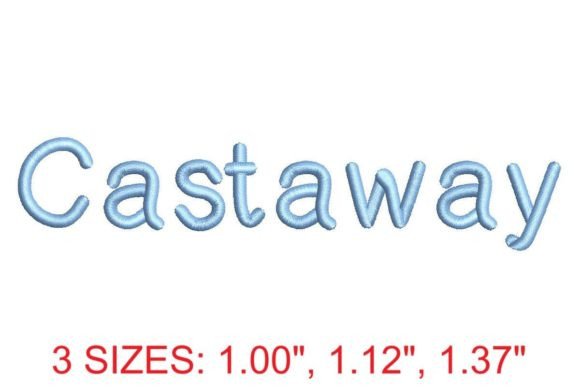
Upon loading the digital embroidery file into my editing software, the first thing that struck me was the versatility of the Castaway Embroidery Font. The description promises "endless possibilities for personalization," and visually, the typeface strikes a balance between friendly and professional. It does not scream "rustic" nor does it feel overly corporate; instead, it sits comfortably in the realm of modern handmade aesthetics. This makes it an ideal candidate for creative studios, local bakeries, florists, and pet brands that want their merchandise to feel approachable yet high-quality.
For a small business, brand identity is everything. If your brand voice is playful but polished, Castaway fits the bill. It avoids the trap of being too decorative, which often leads to stitching issues, while maintaining enough character to stand out on a plain tote bag or a staff uniform. When considering small business merch, you need a font that works as both a primary logo element and a subtle accent. Castaway offers that flexibility, making it a strong contender for shops looking to create cohesive design assets across various products.
Real-World Application: From Patches to Uniforms
The true test of any embroidery font is its performance in real-world scenarios. I evaluated how Castaway would function across several common commercial projects:
- Embroidered Patches: This is perhaps the strongest use case. The letterforms appear robust enough to hold their shape when cut out as a patch. For a café or boutique, a Castaway-branded patch can be sewn onto denim jackets, canvas bags, or even packaging accents, serving as a mobile billboard for the brand.
- Staff Uniforms and Aprons: For service industries, consistency is key. Using this font for apron embroidery or chest logos on work shirts creates a unified look. The spacing seems adequate for names or titles, ensuring legibility from a distance.
- Cap Embroidery: Curved surfaces are tricky. While Castaway looks promising, the arching capability will depend on the specific digitizing included in the file. If the stitch direction is optimized for caps, it could be a fantastic addition to a coffee shop's merchandise line.
- Tote Bag Design: With the rise of eco-friendly shopping, branded totes are essential. Castaway's clean lines would pop beautifully against canvas or heavy cotton, providing a professional finish that elevates the perceived value of the handmade product or retail item inside.
Furthermore, for Etsy sellers and crafters, using a consistent font across product labels and hang tags (via printable mockups) reinforces brand recognition. If a customer buys a custom item with Castaway branding, seeing that same font on a care label or thank-you note builds trust and professionalism.
Critical Considerations for Production
While the aesthetic appeal is high, a responsible designer must address the technical limitations before committing to a large production run. There are specific areas where the Castaway Embroidery Font requires careful handling:
- Small Patch Sizes: If you intend to shrink this font for tiny labels or mini-patches, you must check the stitch density. Fine details can get lost if the font is scaled down too far, resulting in a muddy appearance where individual letters merge.
- Curved Surfaces and Caps: As mentioned, cap fronts introduce distortion. You must verify if the font includes multiple sizes optimized for different hoop curvatures. Without proper push-pull compensation, the letters may look warped on a structured cap.
- Fabric Texture: On textured fabrics like terrycloth or heavy wool, fine serifs or thin strokes might disappear. It is crucial to test the font on the actual fabric you plan to use, not just on standard quilting cotton.
- Dark Uniforms: Contrast is vital. If using this on black or navy uniforms, ensure your thread colors provide enough brightness. A dark thread on a dark fabric will render the beautiful typography invisible.
Additionally, items that undergo frequent washing, such as staff t-shirts or children's Back To School gear, require durable stitching. High stitch density can sometimes cause puckering over time, so reviewing the underlay structure of the file is essential.
Impact on Brand Identity and Customer Trust
In the competitive landscape of small business, the finished product speaks volumes about your attention to detail. Using a well-chosen font like Castaway signals to customers that you care about quality. It transforms a generic tote bag into a branded asset and a plain apron into a professional uniform. This visual consistency fosters customer trust; when your merchandise looks cohesive and well-executed, buyers perceive your core products or services as equally reliable.
Moreover, unique typography helps with brand recall. If a customer sees a Castaway-embroidered hat at a local market, they should immediately associate it with your shop. This level of recognition is invaluable for growing a loyal customer base and increasing engagement on social media, where visual appeal drives shares and likes.
Practical Designer Notes for Business Owners
Before you purchase and start stitching, here are my professional recommendations to ensure success with the Castaway Embroidery Font:
- Test in Black and White First: Remove color variables to see if the shape and spacing of the letters hold up on their own.
- Verify Hoop Size: Confirm that the design fits within your machine's available hoop size, especially if you are working with smaller hoops for patches or cuffs.
- Check Stabilizer Requirements: The description mentions precision, but you must pair it with the correct stabilizer. Cut-away stabilizer is often best for garments that will be washed frequently to prevent distortion.
- Create a Mockup: Always generate a printable mockup or stitch a sample on scrap fabric before presenting it to a client or adding it to your inventory.
- Review Licensing: Since this is intended for commercial embroidery and merchandise sales, strictly confirm the licensing terms. Ensure the license covers unlimited physical goods for sale, not just personal use.
- Compare Assets: Place Castaway beside your existing logo or other design elements to ensure visual harmony across your brand ecosystem.
In conclusion, the Castaway Embroidery Font shows great promise as a versatile tool for small business branding. Whether you are creating custom apparel, event merch, or daily wear for your team, this font offers a blend of style and functionality. However, as with any embroidery file, due diligence in testing and preparation is the key to unlocking its full potential. By respecting the technical constraints and leveraging its aesthetic strengths, you can create branded merchandise that truly stands out.