Cute Rabbit Number 1: A Designer’s Review for Craft Fairs
As an embroidery designer who has spent countless hours digitizing and testing patterns, I know that not every design translates well from the screen to a physical product. When I first loaded Cute Rabbit Number 1 into my software, my immediate goal was to determine its viability for the upcoming craft fair season. This is not just about aesthetics; it is about practicality, production speed, and market appeal. For those of us running small shops or selling on Etsy, a design must do more than look pretty—it must sell.
First Impressions: Charm Meets Versatility
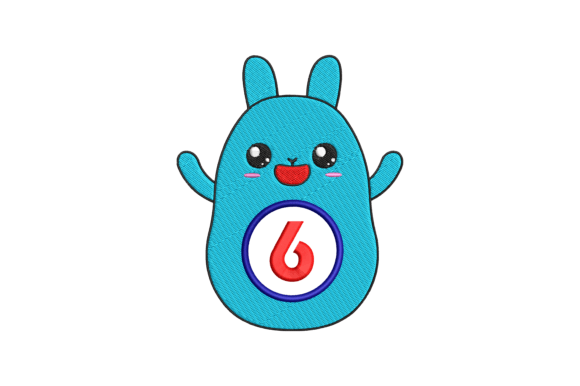
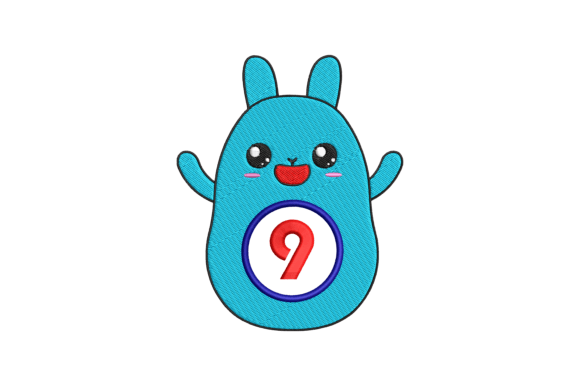
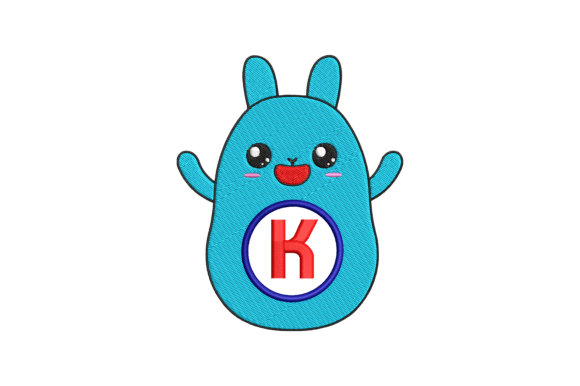
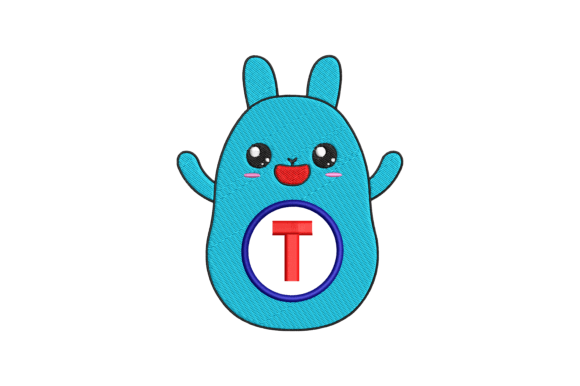
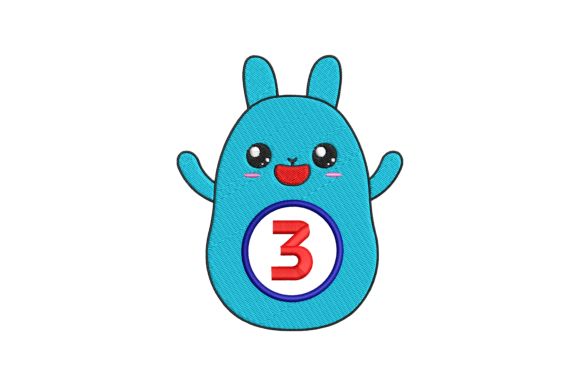
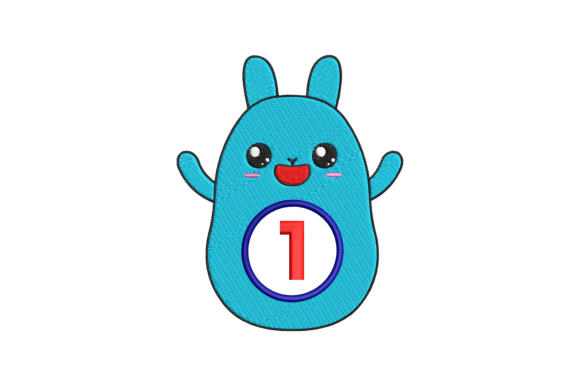
The initial view of Cute Rabbit Number 1 suggests a blend of whimsy and simplicity. It does not scream for attention with aggressive colors or complex shading. Instead, it offers a soft, approachable aesthetic that fits perfectly within the current trend of gentle, handmade goods. The description notes that this embroidery is an art form that can elevate any fabric, adding a touch of elegance and charm. In my experience, "elegance" in a cute design comes from clean lines and balanced proportions, both of which appear present here.
For the Back To School category, this design holds significant potential. While it is not explicitly academic, the inclusion of the number "1" allows for creative interpretation. It can represent a first grader, a birthday milestone, or simply a playful numeric element in a nursery setting. This versatility is crucial for a craft fair product because it widens the target audience beyond a single niche.
Product Application and Market Fit
When preparing a booth display, variety is key. I evaluated how Cute Rabbit Number 1 performs across various substrates. Here is where this machine embroidery design truly shines:
- Tote Bags: A canvas tote with this rabbit centered creates an instant bestseller. The design acts as a focal point without overwhelming the bag’s utility. As a tote bag design, it appeals to parents and teachers alike.
- Aprons and Tea Towels: For kitchen textiles, the charm factor is high. Apron embroidery benefits from designs that are easily visible from a distance. Similarly, tea towel embroidery requires a design that survives frequent washing. The simplicity of this rabbit suggests it will hold up well if stitched correctly.
- Embroidered Patches: If you offer add-ons, turning this into an embroidered patch is a smart move. Patches are low-commitment purchases for browsers. Ensure you use a heavy cut-away stabilizer to maintain shape.
- Caps and Hats: Curved surfaces are tricky. This design works on caps if scaled down appropriately. However, avoid placing it too close to the seam where the hoop might struggle.
For Etsy sellers, this design is ideal for creating digital listings or finished goods. It photographs well because the shapes are distinct, making it easy for customers to see the detail in thumbnail images. A strong printable mockup can help visualize the design on different products before you even stitch a single thread.
Production Practicality for Small Shops
Time is money in a small shop product environment. One of the strongest aspects of Cute Rabbit Number 1 is its likely efficiency. While I do not have the exact stitch count, the visual simplicity implies a reasonable run time. This makes it suitable for batch production. You can hoop multiple items, start the machine, and attend to other tasks like packaging or customer service.
However, production ease depends on your setup. You must consider stitch density. If the rabbit’s ears or body have dense filling, it may cause puckering on lighter fabrics. Always test on scrap fabric first. Check the thread colors you intend to use. High contrast threads make the design pop, while monochromatic threads offer a subtle, premium look. Both are valid, but they serve different customer preferences.
Another critical factor is the hoop size. Ensure the design fits comfortably within your standard hoops without requiring excessive re-hooping. If the design is large, it may require a 5x7 or 6x10 hoop, which limits the types of items you can produce quickly. If it fits in a 4x4 hoop, your product range expands significantly to include smaller items like coin purses and baby bibs.
Navigating Technical Challenges
Even the best digital embroidery file has limitations. Here are careful-use notes based on typical issues with similar designs:
- Fabric Texture: Textured towels can obscure fine details. If the rabbit has small facial features, they might get lost in the loop of a terry cloth towel. Consider using a water-soluble topping to keep stitches sitting on top of the texture.
- Dark Fabrics: If stitching on dark navy or black, ensure the design does not rely on thin outlines that might disappear. You may need to adjust underlay stitches or choose brighter thread colors for visibility.
- Small Lettering: If the number "1" is integrated with small text, verify readability at smaller sizes. Tiny lettering often merges when stitched out. If clarity is lost, consider removing extra text and letting the number stand alone.
- Stabilizer Selection: Never skip the stabilizer. For stretchy fabrics like t-shirts, use a cut-away. For woven fabrics like linen or cotton, a tear-away may suffice. The wrong stabilizer leads to distorted designs and unhappy customers.
Enhancing Brand Consistency and Visual Appeal
In a crowded craft fair, your booth’s visual appeal determines foot traffic. Cute Rabbit Number 1 contributes to a cohesive brand identity if you stick to a consistent color palette. For example, using pastel threads across all rabbit-themed items creates a recognizable collection. This consistency builds trust and perceived value.
Furthermore, this design supports commercial embroidery goals by offering a professional finish. Handmade does not mean amateur. Clean trim backs, proper tension, and neat hooping marks the difference between a hobbyist and a professional embroidery business owner. Use this design to showcase your technical skill. Place it on high-quality blanks to elevate the perceived value of the finished product.
Designer’s Checklist for Success
Before you list this as a top seller, run through this quick checklist:
- Test the design on at least three different fabric types.
- Verify the design assets include all necessary formats for your machine.
- Confirm commercial licensing rights. Most designers allow physical sales but restrict digital sharing. Read the terms carefully.
- Create a real-life mockup for your social media marketing.
- Check spacing if combining with other elements. White space is essential for a clean look.
In conclusion, Cute Rabbit Number 1 is a strong contender for your Back To School and general gift collections. It balances cuteness with professionalism, making it accessible to a wide range of buyers. By paying attention to production details like stabilizer choice and fabric compatibility, you can turn this embroidery file into a reliable revenue stream. Whether you are decorating clothing or creating home goods, this design adds that necessary touch of charm that encourages impulse buys at your next market event. Remember, the success of any handmade product lies not just in the design itself, but in the care and precision with which it is executed.