Cute Rabbit Number 3: A Seasonal Embroidery Review
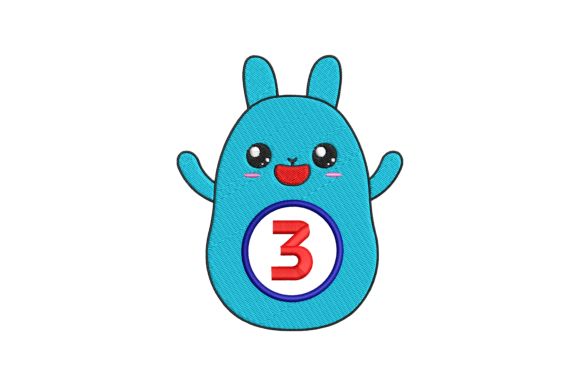
As an embroidery designer who spends countless hours digitizing and testing files for real-world application, I approach every new machine embroidery design with a critical eye. It is not just about whether the stitches look good on my screen; it is about how that design performs when turned into a finished product for a customer. Recently, I reviewed Cute Rabbit Number 3, and I must say, it has quickly become a staple in my planning for seasonal collections. This piece is more than just a simple motif; it is a versatile asset that bridges the gap between playful charm and elegant craftsmanship.
First Impressions: Mood and Decorative Style
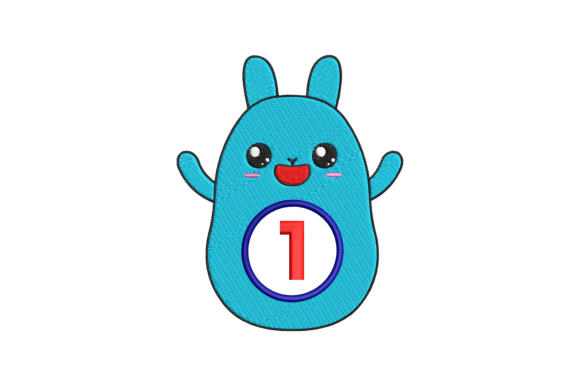
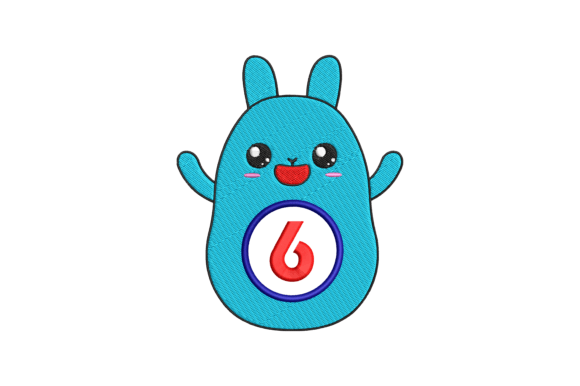
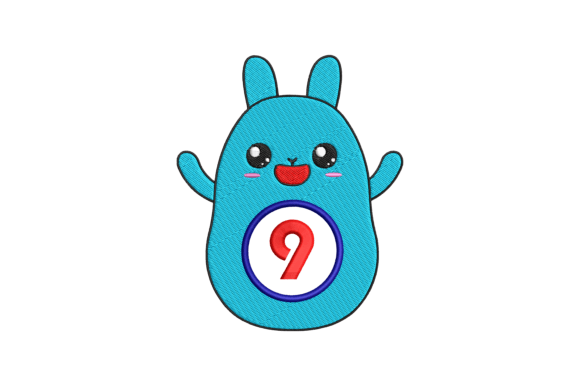
The first thing that strikes you about Cute Rabbit Number 3 is its emotional tone. It feels inherently cozy and nostalgic, yet clean enough to feel modern. The lines are soft, avoiding the harshness that sometimes plagues digital files, which gives it a hand-drawn aesthetic that resonates deeply with buyers looking for authenticity. While many designs lean heavily into one specific holiday, this rabbit carries a universal appeal that works beautifully across multiple seasons. It feels festive without being overly thematic, making it perfect for those transitional periods in retail, such as the shift from summer to autumn or the cozy buildup to winter holidays.
For Etsy sellers and small shop owners, this visual recognition is crucial. When a customer scrolls through hundreds of listings, they are drawn to designs that evoke an immediate feeling of warmth. Cute Rabbit Number 3 achieves this by balancing detail with simplicity. It is not so complex that it overwhelms the fabric, but it has enough character to stand out as a premium feature on a garment or home decor item.
Real-World Applications for Holiday Selling
When building a seasonal shop collection, versatility is key. I have tested this design on various substrates to see where it shines brightest. Here is how Cute Rabbit Number 3 performs in real holiday selling situations:
- Sweatshirt Embroidery: This is perhaps the strongest use case. The design scales well on the chest or sleeve of a crewneck. For Back To School promotions or fall family matching sets, it adds a touch of whimsy that parents love. The stitch flow complements the texture of fleece and cotton blends without causing excessive puckering.
- Tote Bag Design: Canvas totes are perennial bestsellers. Placing this rabbit on a natural-colored canvas creates a rustic, eco-friendly vibe that appeals to conscious consumers. It works equally well as a standalone graphic or as part of a larger personalized gift bundle.
- Kitchen Towel Embroidery: For home decor enthusiasts, this design elevates simple linen or cotton towels. It feels intimate and handmade, perfect for housewarming gifts or hostess presents during the holiday season.
- Pillow Cover Accents: Centered on a square pillow cover, the rabbit becomes a focal point for nursery decor or living room accents. It adds a layer of texture that printed pillows simply cannot match.
- Embroidered Patch: If you offer iron-on or sew-on patches, this design is ideal. Its contained shape makes it easy to cut and finish, allowing customers to customize their own jackets, backpacks, or hats.
Beyond physical products, this design excels in marketing materials. It creates stunning printable mockup images for social media previews. The clear lines and cute aesthetic photograph well, helping you create engaging content for Instagram or Pinterest that drives traffic to your small shop product listings.
Technical Considerations and Careful Placement
While Cute Rabbit Number 3 is robust, no design is universal without some technical foresight. As a designer, I advise checking specific details before committing to large production runs. Since the exact stitch density and file specifications can vary depending on the vendor, always review the technical sheet provided with your digital embroidery file.
Here are areas where you should exercise caution:
- Hoop Size Constraints: Ensure the design fits comfortably within your intended hoop. If you are using a smaller hoop for baby items or ornaments, verify that the details do not get lost or compressed. Crowding a design near the edge of the hoop can lead to stitching errors.
- Fabric Texture and Color: On dark fabrics, you may need to adjust your thread colors or add an underlay to ensure the rabbit pops. Conversely, on very thick towels, ensure your needle and thread weight are appropriate to penetrate the fabric texture without breaking.
- Stretchy Garments: When applying this to stretchy knits or curved caps, proper stabilization is non-negotiable. Use a cut-away stabilizer for garments that will be washed repeatedly to maintain the integrity of the design over time.
- Metallic Thread: If you plan to use metallic threads for a festive holiday sparkle, test the speed and tension first. Intricate details in the rabbit’s features might require slower stitching speeds to prevent thread breakage.
Always confirm the commercial embroidery license terms before selling finished products. Most designers allow unlimited physical sales, but restrictions may apply to sharing the file itself. Protecting your business starts with respecting intellectual property rights.
Enhancing Seasonal Appeal and Buyer Emotion
The true power of Cute Rabbit Number 3 lies in its ability to enhance buyer emotion. In the context of holiday embroidery and seasonal embroidery, customers are not just buying a stitch pattern; they are buying a feeling. They are buying the joy of giving a handmade gift that feels personal and thoughtful. This design supports that narrative by offering a look that is both professional and tender.
For personalized gift creators, this rabbit pairs exceptionally well with monograms or names. Imagine the rabbit sitting above a child’s name on a backpack for Back To School season, or beside a family surname on a Christmas stocking. These combinations increase the perceived value of the item, allowing you to command higher price points. It builds customer trust because the quality of the digitizing reflects directly on your brand’s consistency.
Furthermore, engagement during holiday shopping periods spikes when products feel unique. A generic print can be found anywhere, but a carefully stitched Cute Rabbit Number 3 signals effort and care. This differentiation is vital for standing out in a saturated market. Whether you are creating limited edition apparel or year-round home goods, this design serves as a reliable anchor for your collection.
Practical Designer Notes for Success
To get the most out of this design, follow these practical steps:
- Test on Both Light and Dark Fabric: Never assume a colorway will work everywhere. Stitch a sample on black cotton and white linen to see how the contrast affects the visual impact.
- Check Stitch Density: If the design feels too stiff on lightweight fabric, consider using a lighter weight stabilizer or adjusting your machine tension.
- Create Realistic Mockups: Use high-quality photos of your stitched samples to create digital mockups. Show the texture of the thread and the drape of the fabric to give online buyers a realistic expectation.
- Plan Matching Color Palettes: Develop a set of recommended thread kits. Offering a "curated palette" simplifies the buying decision for customers who may be intimidated by choosing thread colors themselves.
In conclusion, Cute Rabbit Number 3 is a standout choice for any embroidery business looking to expand its seasonal offerings. It balances aesthetic charm with technical reliability, making it a safe yet exciting addition to your portfolio. By understanding its strengths and respecting its technical requirements, you can create products that delight customers and drive sales throughout the year.