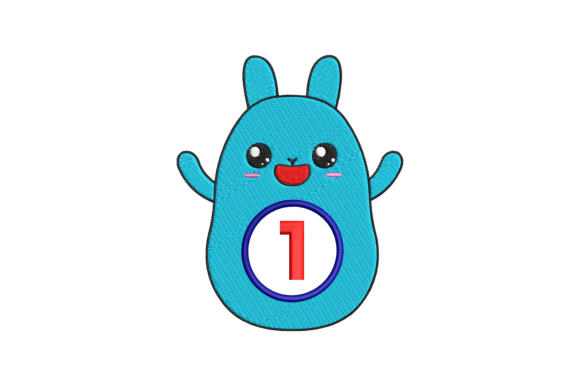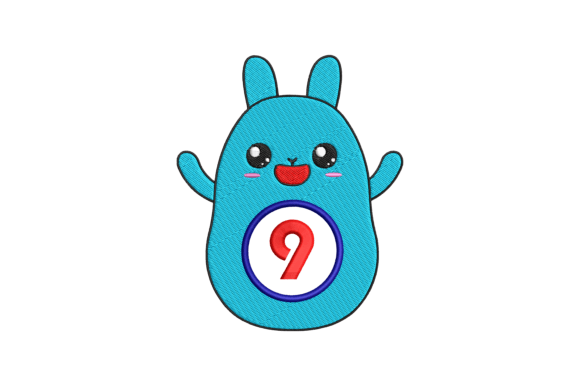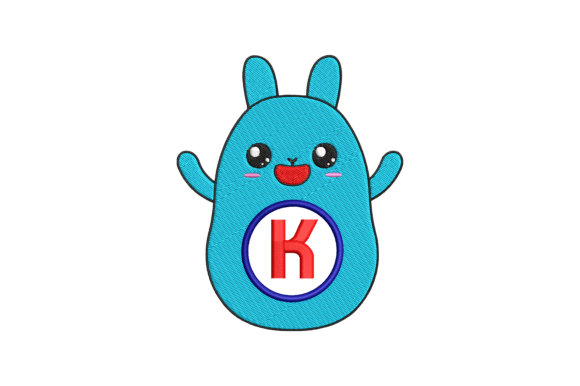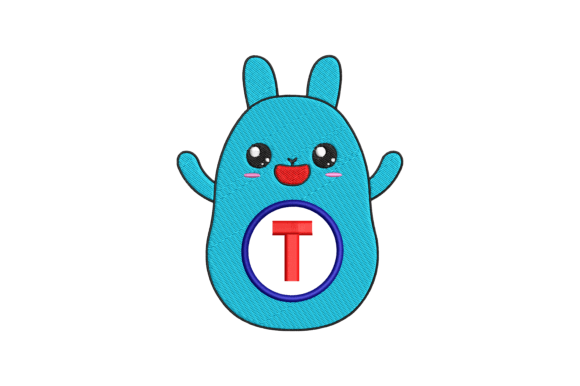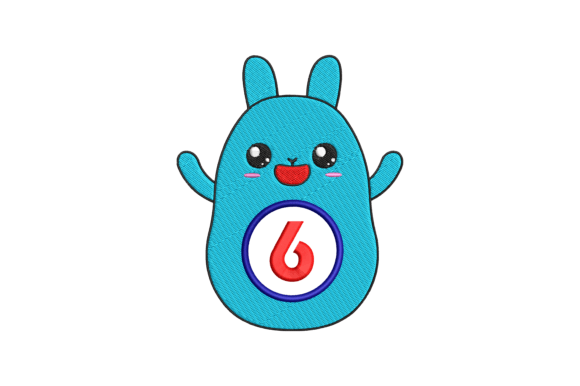
Cute Rabbit Number 6: A Designer’s Review
As an embroidery designer who has spent years digitizing files and consulting with small business owners, I approach every new machine embroidery design with a critical eye. It is not enough for a motif to be merely cute; it must be functional, scalable, and commercially viable. Today, I am reviewing Cute Rabbit Number 6, a design positioned within the Back To School category but possessing versatility that extends far beyond the classroom. For boutique owners, Etsy sellers, and apparel decorators, understanding how this specific asset performs on various textiles is crucial for maintaining brand integrity and product quality.
First Impressions: Balancing Charm and Professionalism
Upon loading the digital embroidery file into my software, the immediate impression of Cute Rabbit Number 6 is one of approachable elegance. The description notes that this embroidery is an art form that can elevate any fabric, adding a touch of elegance and charm. In practice, this translates to a design that avoids the overly chaotic stitch patterns often found in amateur digitizing. The lines appear clean, suggesting a deliberate focus on readability even at smaller scales.
For a small business, visual consistency is key. This design feels friendly yet polished, striking a balance between playful and premium. It does not scream "children's party" exclusively; rather, it offers a softness that works well for lifestyle brands, bakeries, florists, and creative studios. The aesthetic is modern enough to feel current but classic enough to remain relevant throughout the year, not just during the Back To School rush.
Real-World Applications for Small Business Merch
The true test of any embroidery file is its adaptability across different products. Here is how Cute Rabbit Number 6 performs in real commercial scenarios:
- Embroidered Patches: This is perhaps the strongest use case. The design’s contained shape makes it ideal for die-cut or merrowed edge patches. These can be sold as standalone accessories or applied to denim jackets and backpacks, increasing the perceived value of the finished product.
- Staff Uniforms and Aprons: For cafés, pet groomers, or boutique retail staff, placing this motif on the chest pocket area of an apron creates a cohesive brand identity. It adds a personal touch without overwhelming the uniform, signaling attention to detail to customers.
- Cap Embroidery: When scaled correctly, this design works beautifully on the front panel of baseball caps. The curvature of the cap requires a design that is not too wide, and the rabbit motif fits this constraint well, offering a subtle branding opportunity.
- Tote Bag Design: Canvas totes are a staple for handmade brands. Embroidering Cute Rabbit Number 6 on a tote bag transforms a simple utility item into a branded asset. The texture of the embroidery contrasts nicely with the weave of the canvas, enhancing the tactile experience for the buyer.
- Etsy Branding and Packaging: Beyond apparel, consider using this design on fabric tags or packaging inserts. It serves as a recognizable symbol that customers associate with your shop’s quality and style.
Technical Considerations and Potential Pitfalls
While the aesthetic appeal is high, technical execution determines whether the custom apparel looks professional or amateurish. There are specific areas where you must exercise caution when using Cute Rabbit Number 6.
Stitch Density and Fabric Texture: If the design has high stitch density, it may pucker lightweight fabrics like silk or thin cotton blends. Always test on a scrap piece of your intended material. For textured fabrics like terry cloth or fleece, ensure the details of the rabbit do not get lost in the pile. You may need to adjust underlay stitches or choose a simpler version of the design if available.
Small Patch Sizes and Detail Loss: When shrinking the design for small applications, such as a collar tag or a tiny chest logo, fine details can merge. Check the spacing between elements. If the rabbit’s features are too close together, they may thread-break or look like a blob from a distance. I recommend creating a printable mockup at actual size to verify legibility before hooping.
Dark Uniforms and Thread Colors: Contrast is vital. If you are embroidering on dark navy or black uniforms, ensure your thread colors pop. Pastel threads may vanish against dark backgrounds. Consider using a white or light-colored stabilizer backing if the fabric is prone to showing through, although this is more common in cut-work than standard satin fill designs.
Enhancing Brand Identity and Customer Trust
In the world of small business merch, every detail contributes to customer trust. A well-executed embroidery signals durability and care. When a customer sees Cute Rabbit Number 6 stitched cleanly on a product, it reinforces the perception of a handmade, high-quality item. This emotional connection drives buyer engagement and repeat purchases.
Furthermore, using a consistent design element across various touchpoints—aprons, bags, patches—creates visual recognition. Customers begin to associate that specific rabbit motif with your brand’s values. Whether you are a local bakery or an online craft store, this consistency builds professionalism. It moves your offerings from generic commodities to branded experiences.
Practical Notes for the Embroidery Professional
Before you commit to a large production run, follow these essential steps to ensure success with Cute Rabbit Number 6:
- Test in Black and White: Convert the design to monochrome in your software to check for contrast and definition. If it looks muddy in black and white, it will lack impact in color.
- Verify Hoop Size: Confirm that the design fits comfortably within your standard hoop sizes. Leaving adequate margin around the design prevents hoop burns and ensures stability during stitching.
- Select the Right Stabilizer: Match your stabilizer to the fabric weight. Cut-away stabilizers are generally better for garments that will be washed frequently, while tear-away may suffice for decorative items that see less wear.
- Check Commercial Licensing: Always review the license terms associated with the digital embroidery file. Ensure you have the right to use the design for commercial purposes, especially if you plan to sell the embroidered items directly.
- Create Client Mockups: If you are doing work for a client, provide a realistic mockup showing the design on their specific garment. This manages expectations and allows for adjustments before stitching begins.
Finally, remember that while the description states this embroidery adds elegance and charm, the final result depends on your machine maintenance, thread quality, and operator skill. Take the time to inspect the first few samples closely. Look for loose threads, tension issues, or registration errors.
Final Verdict for Business Use
Cute Rabbit Number 6 is a versatile asset for the modern embroidery business. It bridges the gap between seasonal trends and evergreen branding. By carefully considering fabric choice, stitch density, and placement, you can leverage this design to create compelling design assets that resonate with your audience. Whether used for apron embroidery in a boutique café or as a standout feature on a tote bag design, it offers the professional polish that small business owners need to stand out in a crowded market. Always prioritize testing and quality control to ensure that every stitched piece reflects the high standards of your brand.